Hello all, apologies for the delay between posts! A good internet connection proved very difficult to come by unfortunately!
Our second week at Queens Elizabeth National Park was spent focusing more on OneHealth and how we can use those principles in improving the region. For those of you that aren’t too familiar, OneHealth is a collaborative effort of multiple disciplines working to attain optimal health for people, animals and the environment. As the days went by, we realized exactly how intertwined and complex the relationships between animals, people and the environment were. Our placement here in Uganda was ideal in showing us OneHealth principles at work in a rural setting.
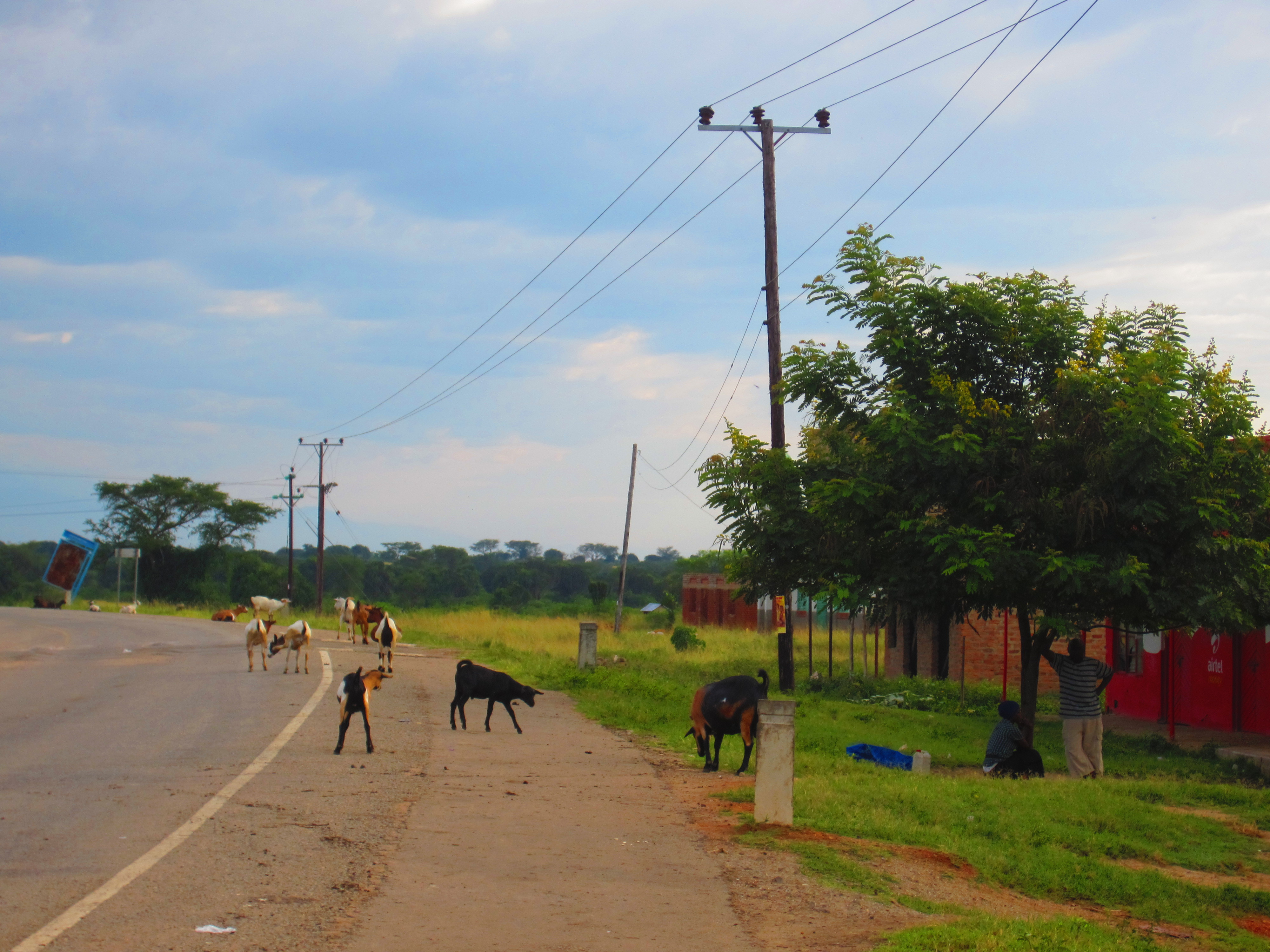
The large predator population (lions, leopards) has been declining in the area for the last few decades and a few months ago, several lions were poisoned by a local farmer as they had been attacking his livestock. There are small communities and settlements both in and alongside the park boundaries, many of which grow crops or raise livestock as their livelihood. However, their cattle and goats, which number into the hundreds and possibly thousands, are overgrazing the land and crossing into park territory where they are technically not allowed to go to. The farmers claim they need more space and food for their animals. This grazing changes the vegetation of these areas and native herbivores face extra competition from the livestock. It is also only natural for large carnivores to predate these cows and goats as they are easy prey and attacks have also been increasing, which corresponds to the increase in roaming area of livestock. However, this is the farmers’ livelihood and they cannot afford to lose their animals as they have families to feed and support. Thus, they become upset when these attacks occur. Sometimes, they are driven to act in a manner they think is appropriate, such as poisoning the lions. Enforcement and reprimanding those who take inappropriate action is inconsistent at best due to the lack of resources in the area.
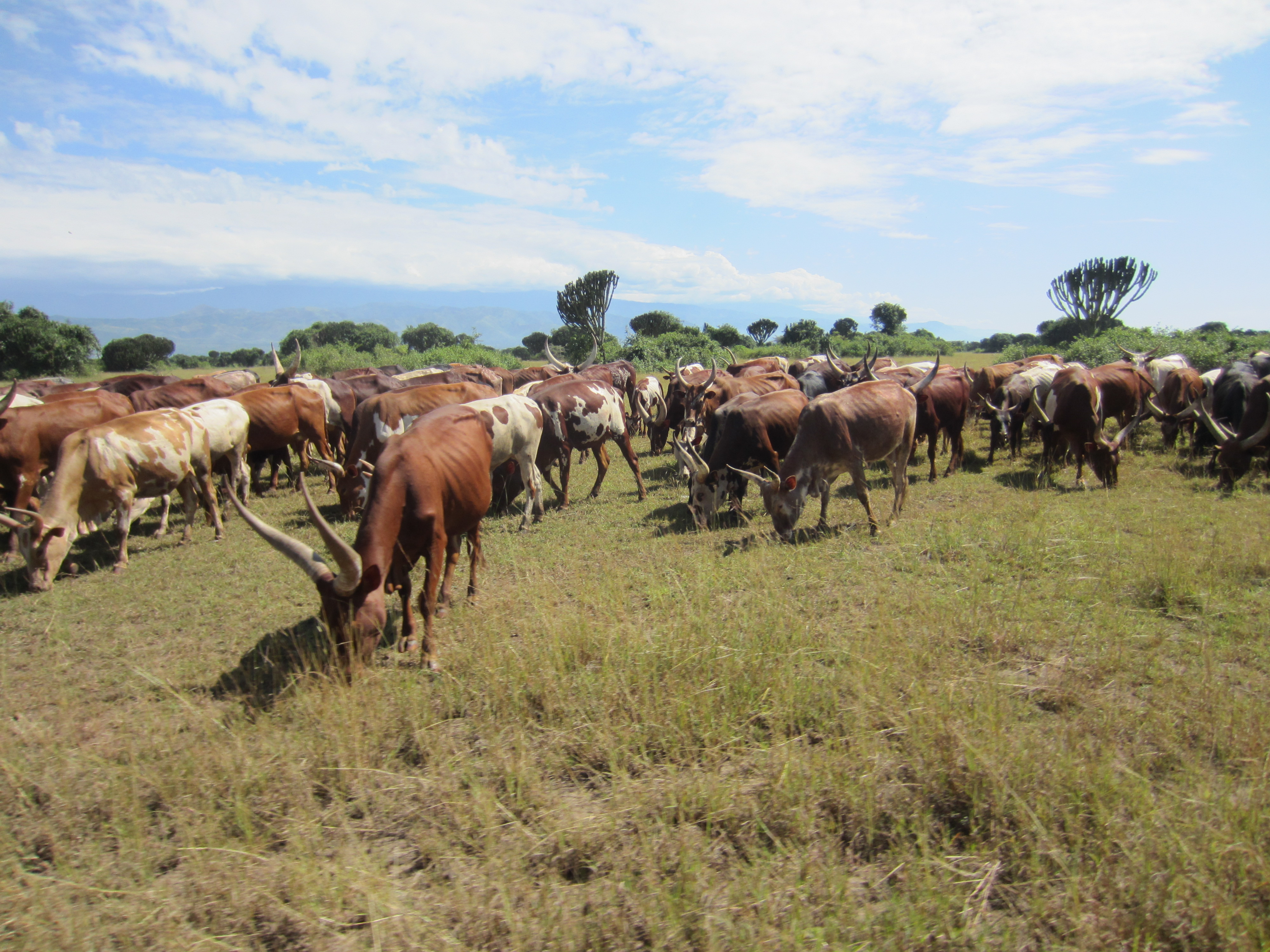
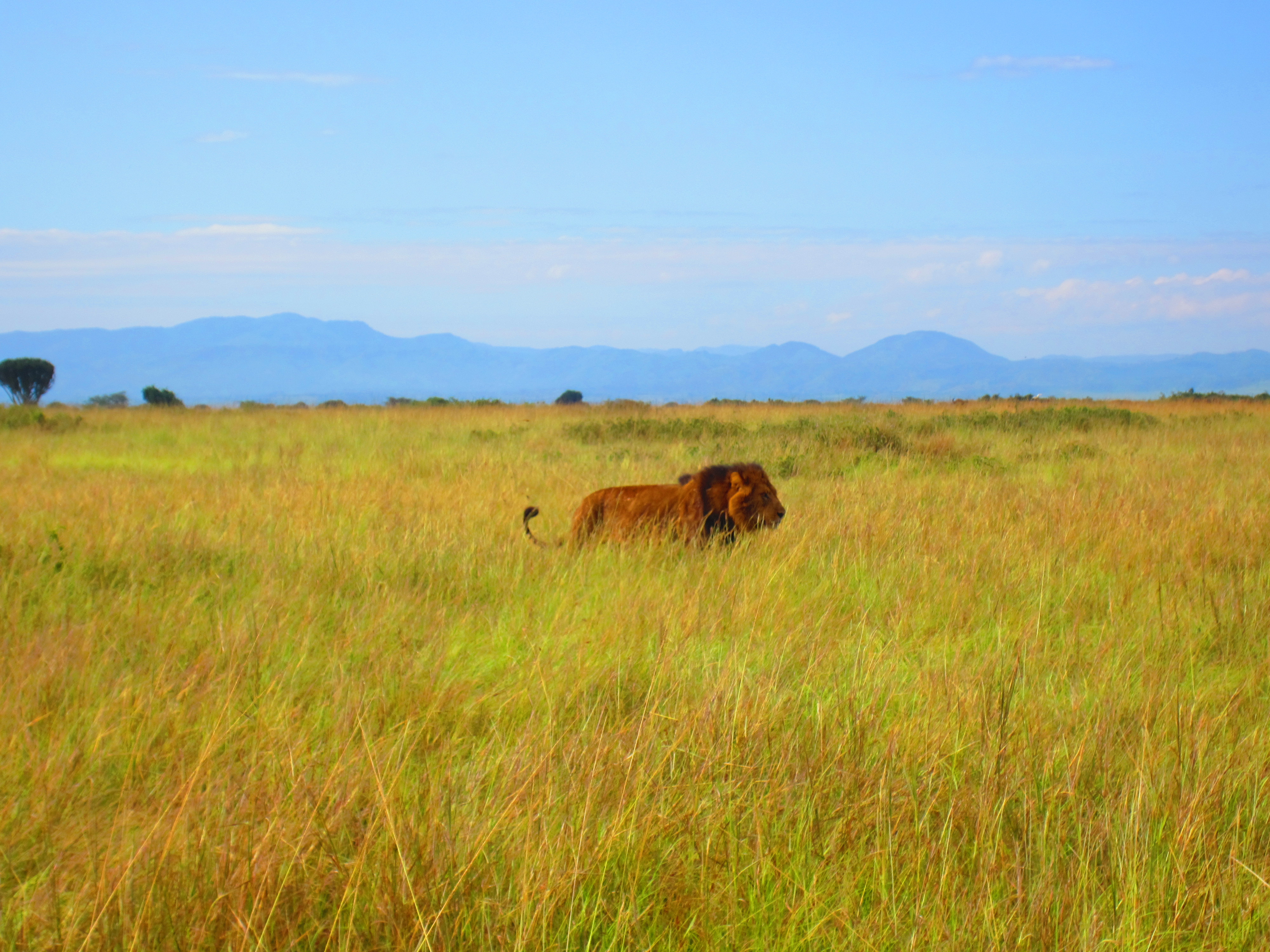
Additionally, the park does not have the resources to patrol and enforce all the park boundaries to prevent livestock from entering. As you can see, this entire situation is very complex and there are a variety of factors at play. The veterinarian here, Dr. Siefert, is doing his best to improve the situation by educating the farmers, providing and installing electric fences, advising them how to more efficiently use their grazing and crop space, providing free veterinary care and medication to their livestock in an effort to minimize their costs and maximize their profits as healthy animals will provide the farmers with greater income, and various other efforts. While a “perfect” solution to these issues has not been devised yet, steps are being taken in the right direction to get to the root of the problem and to rectify what is going wrong.

 globalvets.ca