Onwards to Panajachel, Guatemala.
We had slightly more than a day to shift ourselves and our belongings one country to the left from Belize to Guatemala. Before embarking on the second leg of our 3-part journey, we were able to take a quick pit stop in Flores Guatemala to spend a night enjoying the country before heading off to work in our new destination. After staying overnight in Flores we hopped on a bus to the far North of the country to visit Tikal, home of an ancient Mayan ruin; world renowned as the ruin of all Mayan ruins. The trip was just the right voltage to recharge our batteries and fill our sails full of wind to drive us forward to Panajachel Guatemala where we will be working for the next two weeks.
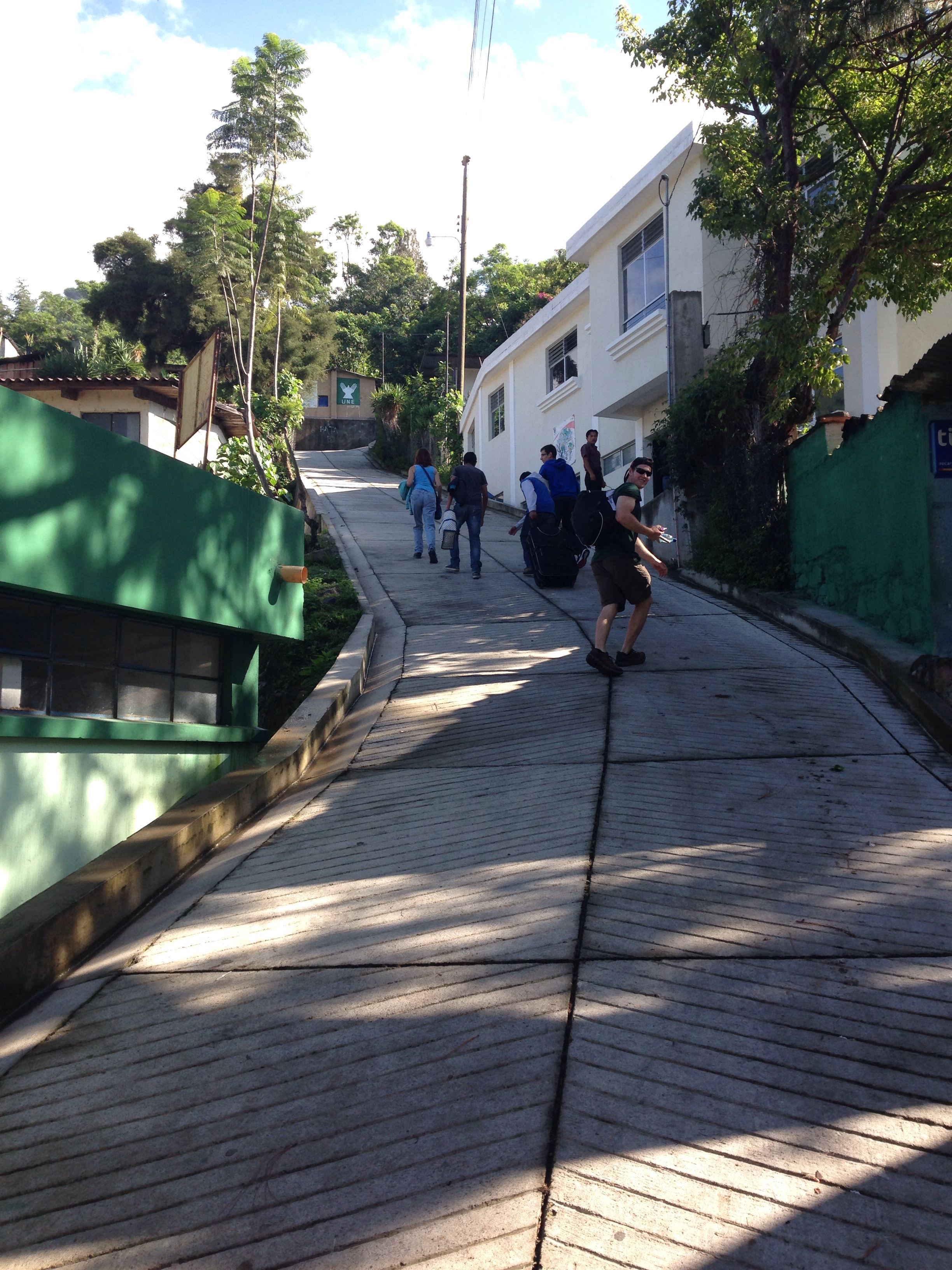
From Tikal, we boarded a bus at 8pm and drove overnight to Panajachel, stopping once in Antigua. At 9am we finally stepped off the bus and onto Guatemalean soil, hailed a tuk-tuk – the most common way to get around in Guatemala – and unloaded our luggage onto the floor of our new home.
First mission – find Selaine; founder of AYUDA, the organization providing care to the local population of both street dogs and owned animals. Selaine started AYUDA eight years ago and has done an incredible job, attested to by the community members explaining to Laura and I how much the community dog population has benefited from the work of AYUDA over the past 8 years. We would soon see the difference for ourselves.
Panajachel is one of many villages surrounding Lake Atitlan, and each village is only accessible by boat. Hand the captain 20Q (about 3 bucks) and you can go to any village around the lake within the hour. It was really interesting to visit the different villages and notice the different stages the communities were in, with regards to the street dog health and population control.
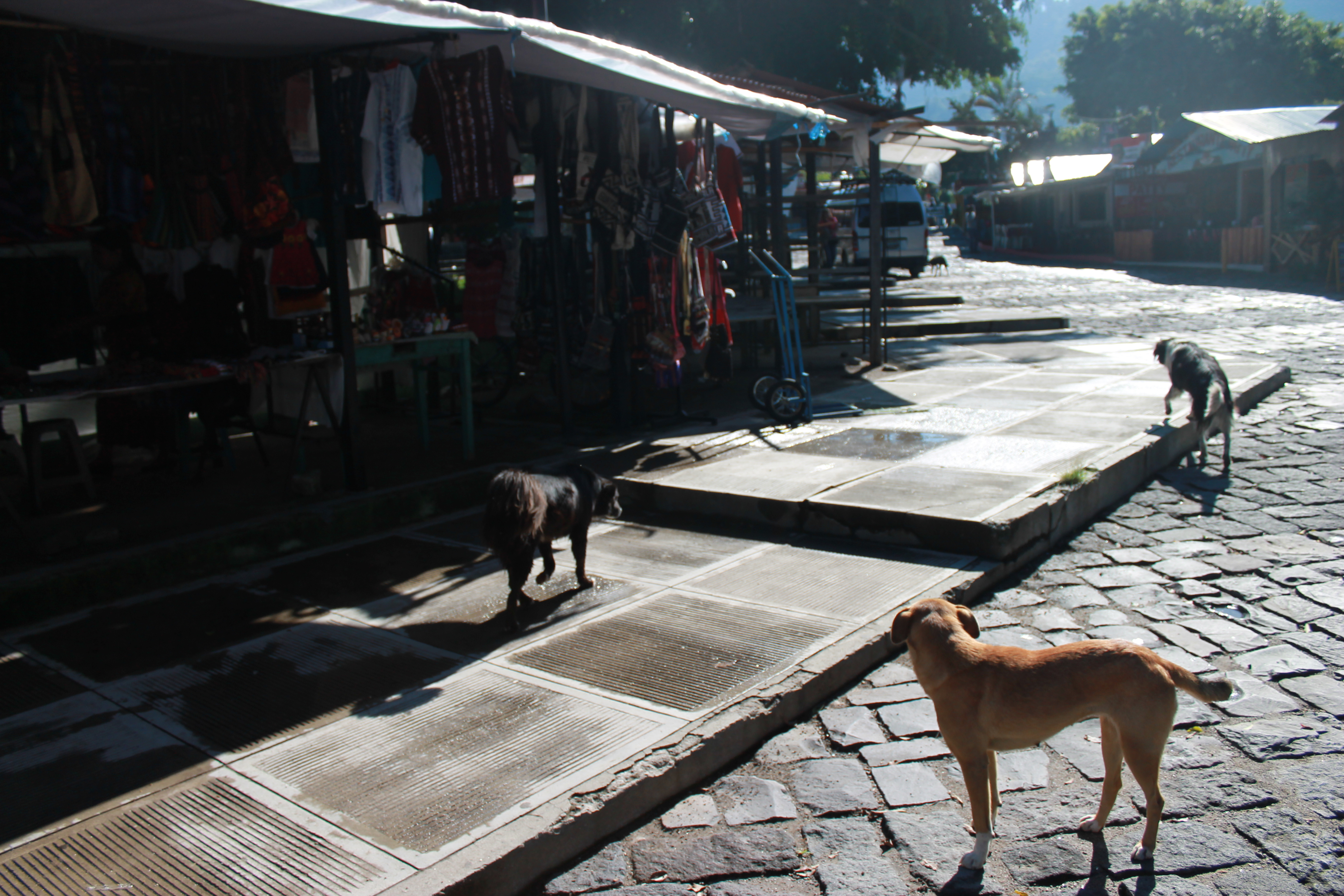
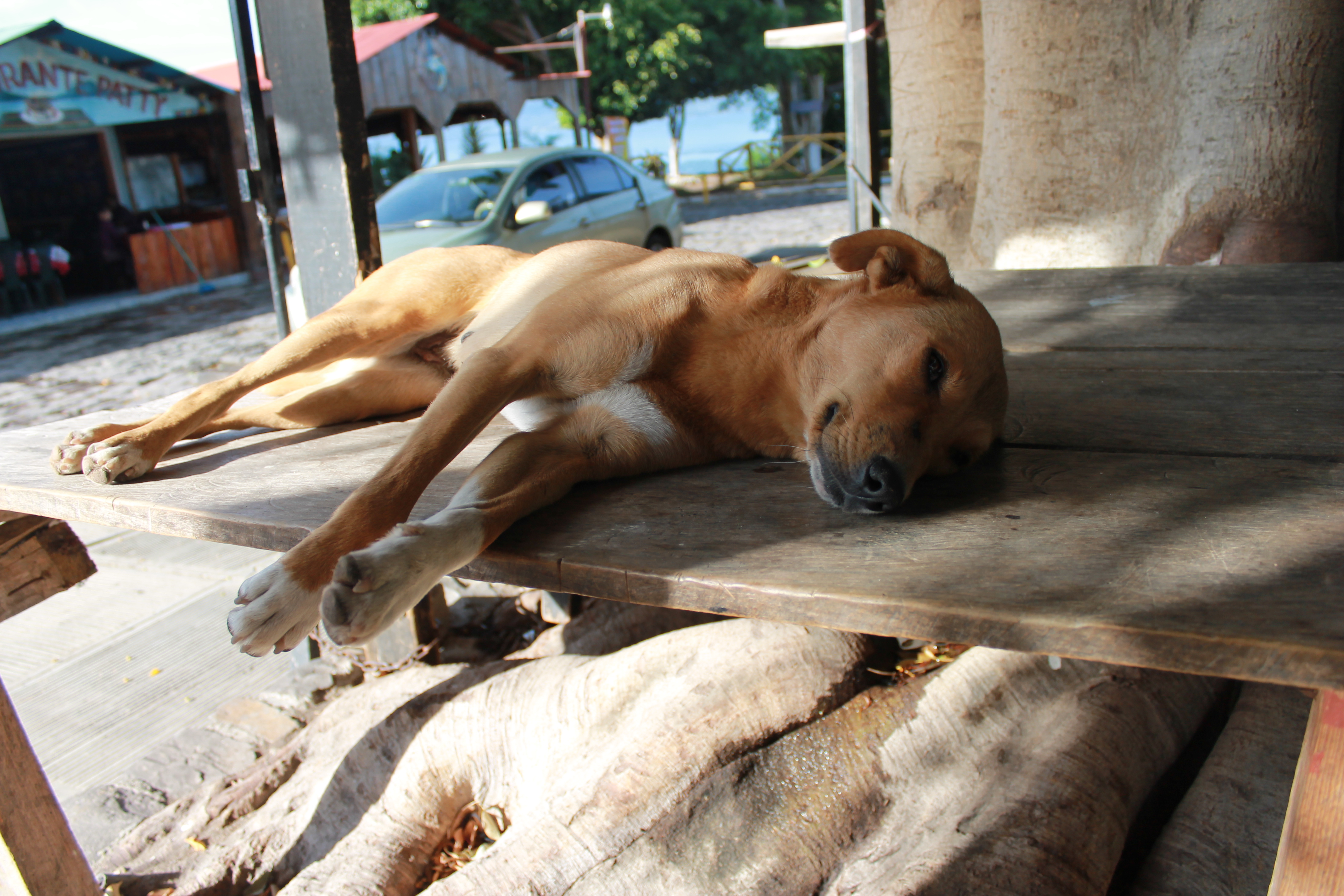
Thanks to AYUDA, Panajachel’s street dog population is well under control, and is in the most advanced stage in comparison with the other villages. It was amazing to drive around with Selaine and watch her point to a street dog every 10 seconds and tell you the dog’s name, its territory, and the primary caretakers (usually meaning the street vendor who feeds the dog scraps at the end of the night).
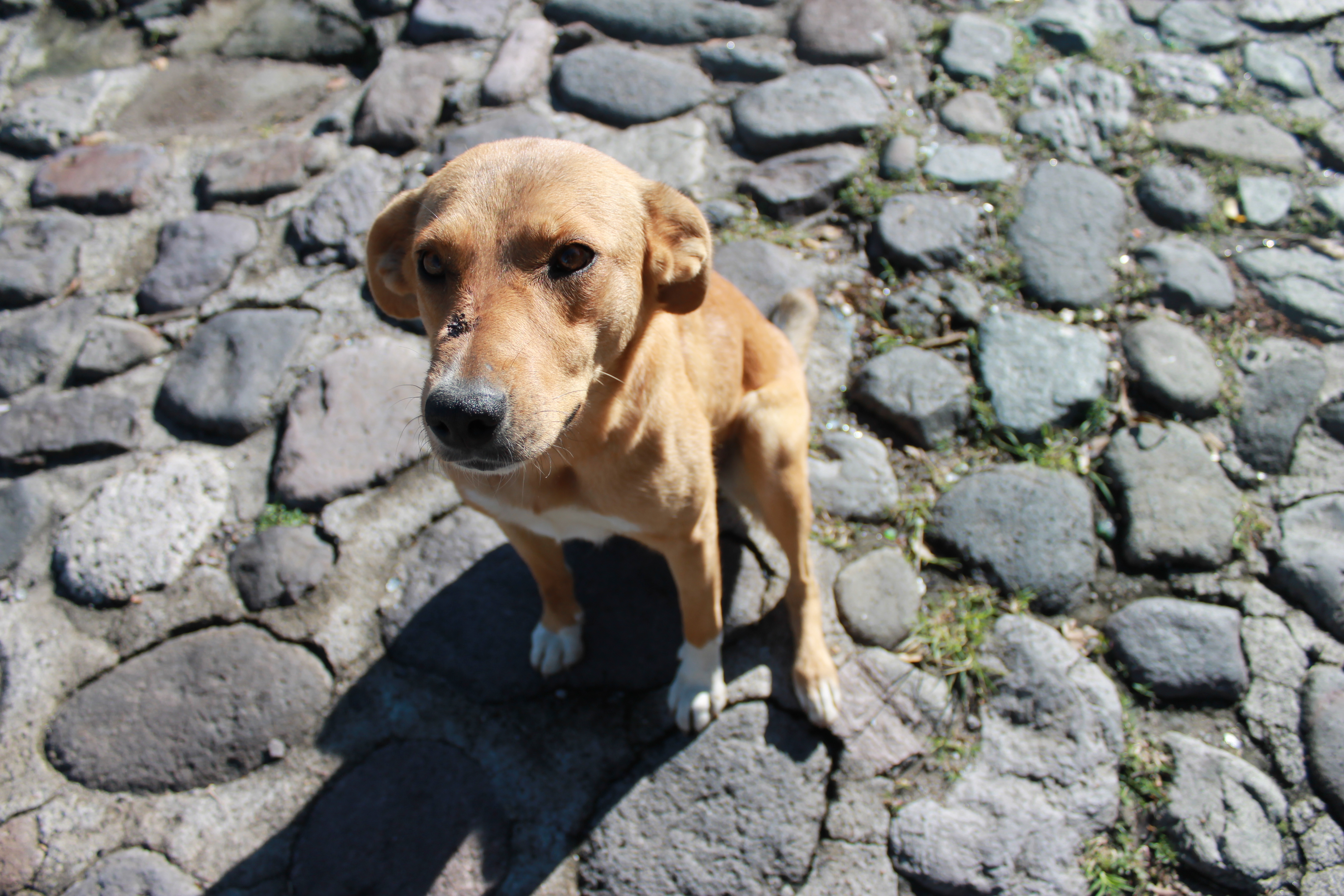
In contrast, villages like San Marco and San Tiago are in much earlier stages of animal population control and require much more assistance with regards to the health of street dogs. Panajachel’s success has led to word of mouth around the lake, and soon Selaine was contacted by community leaders asking her to visit and assess the street dog community in their village to help with population control of dogs who are often extremely emaciated, malnourished and loaded with parasites.
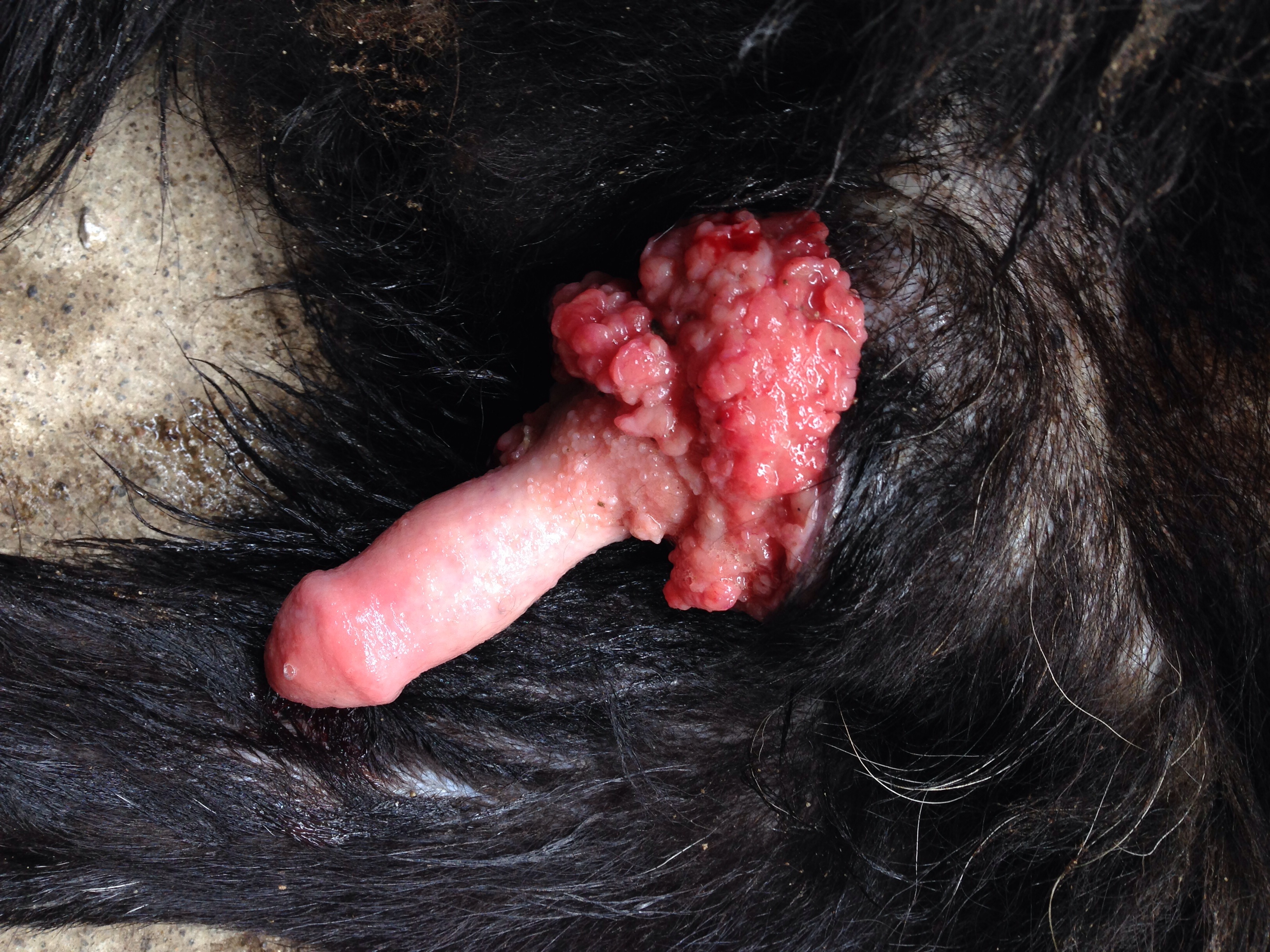
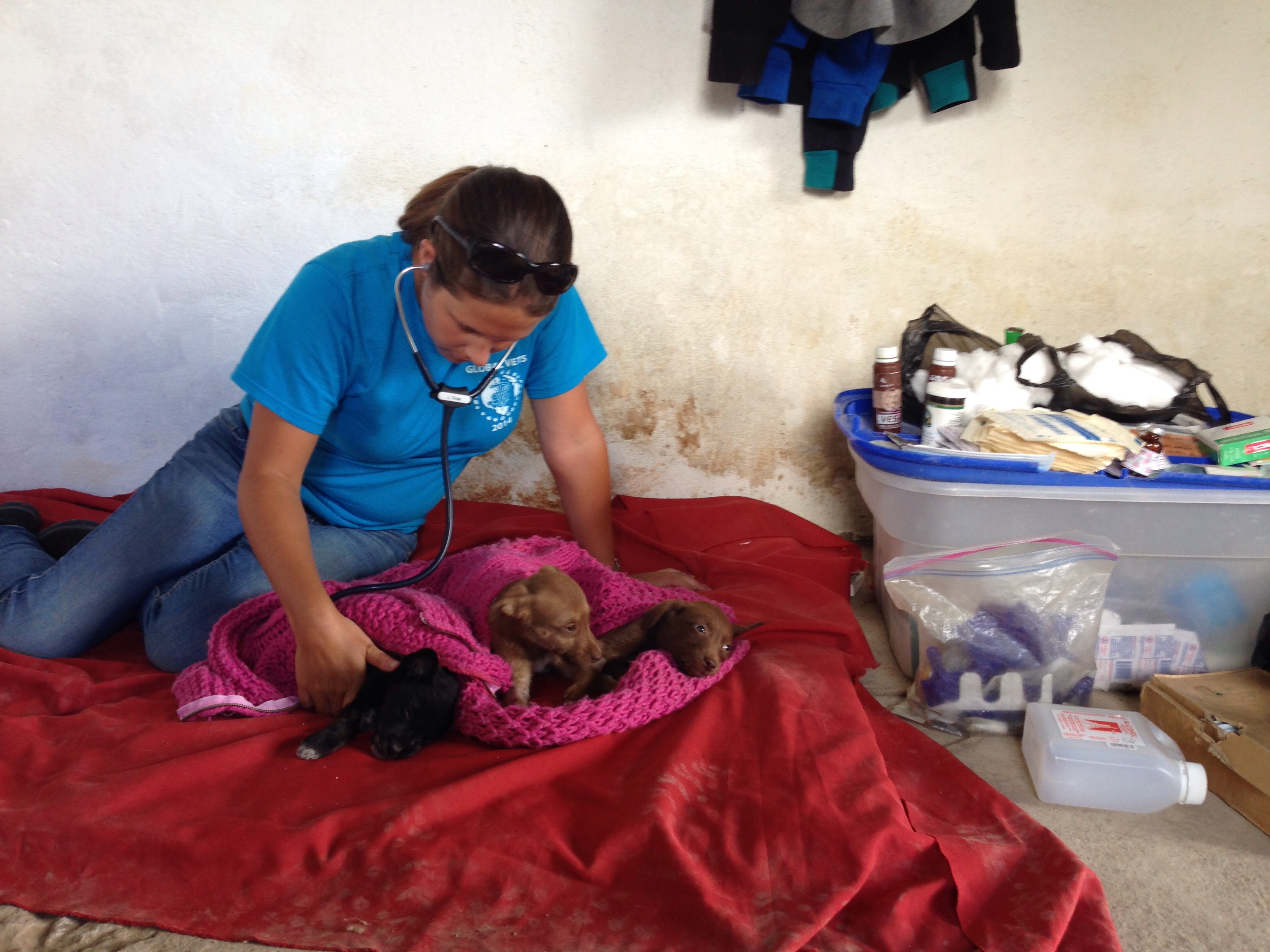
Help comes in the form of sterilization clinics and wellness clinics involving vaccination, parasite control, and treatment of TVT – Transmissible Venereal Tumor, a very common sexually transmitted tumor that spreads by contact between animals during mating. Yup, it’s as nasty as it sounds. This is one ugly tumor (*Warning – graphic images below*). Thankfully though, this cancer is COMPLETELY CURABLE, and won’t come into remission once treated with Vincristine, a plant based chemotherapy drug. The cancer usually takes between 2 and 3 chemotherapy administrations to destroy the tumor completely.
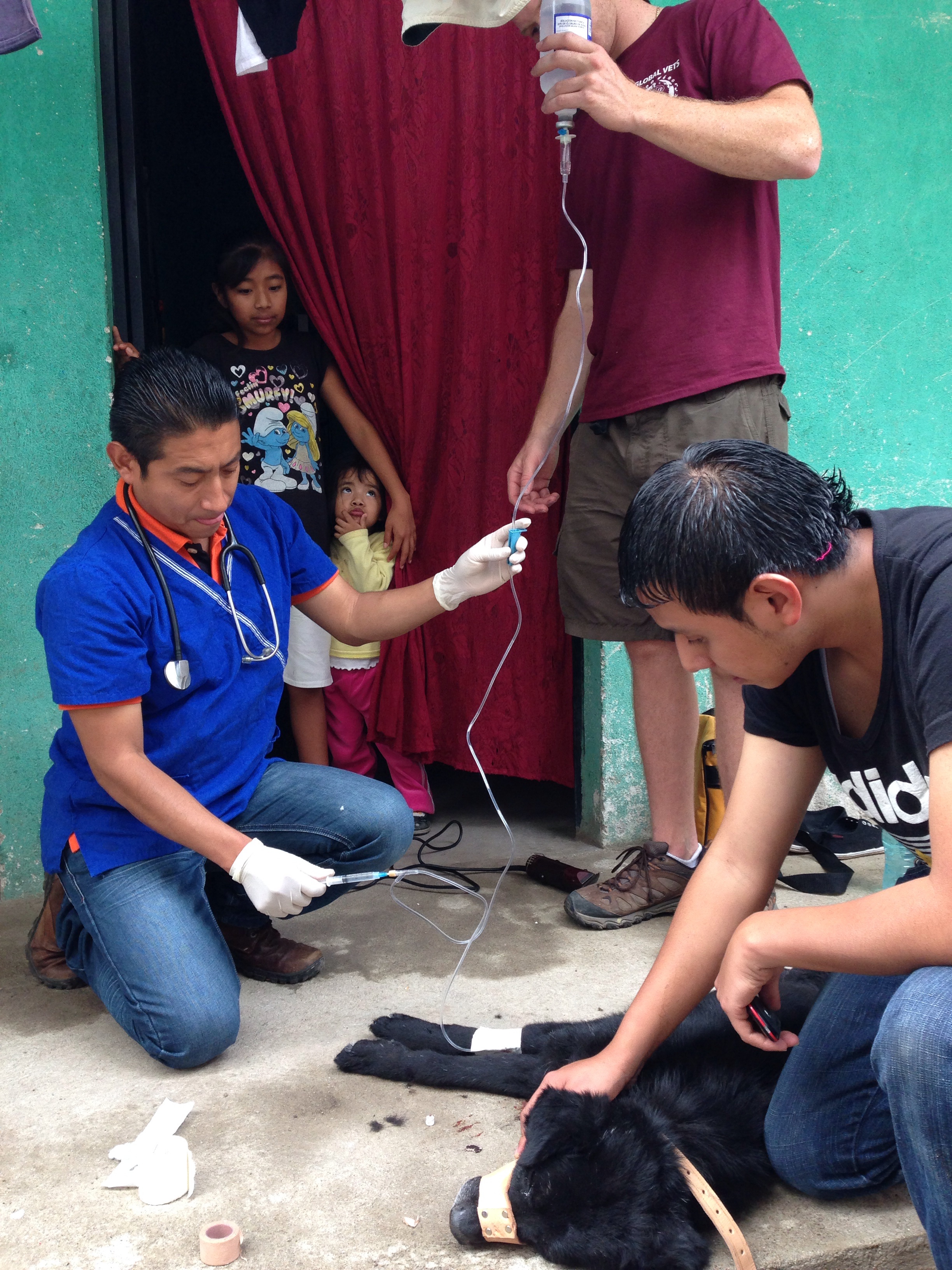
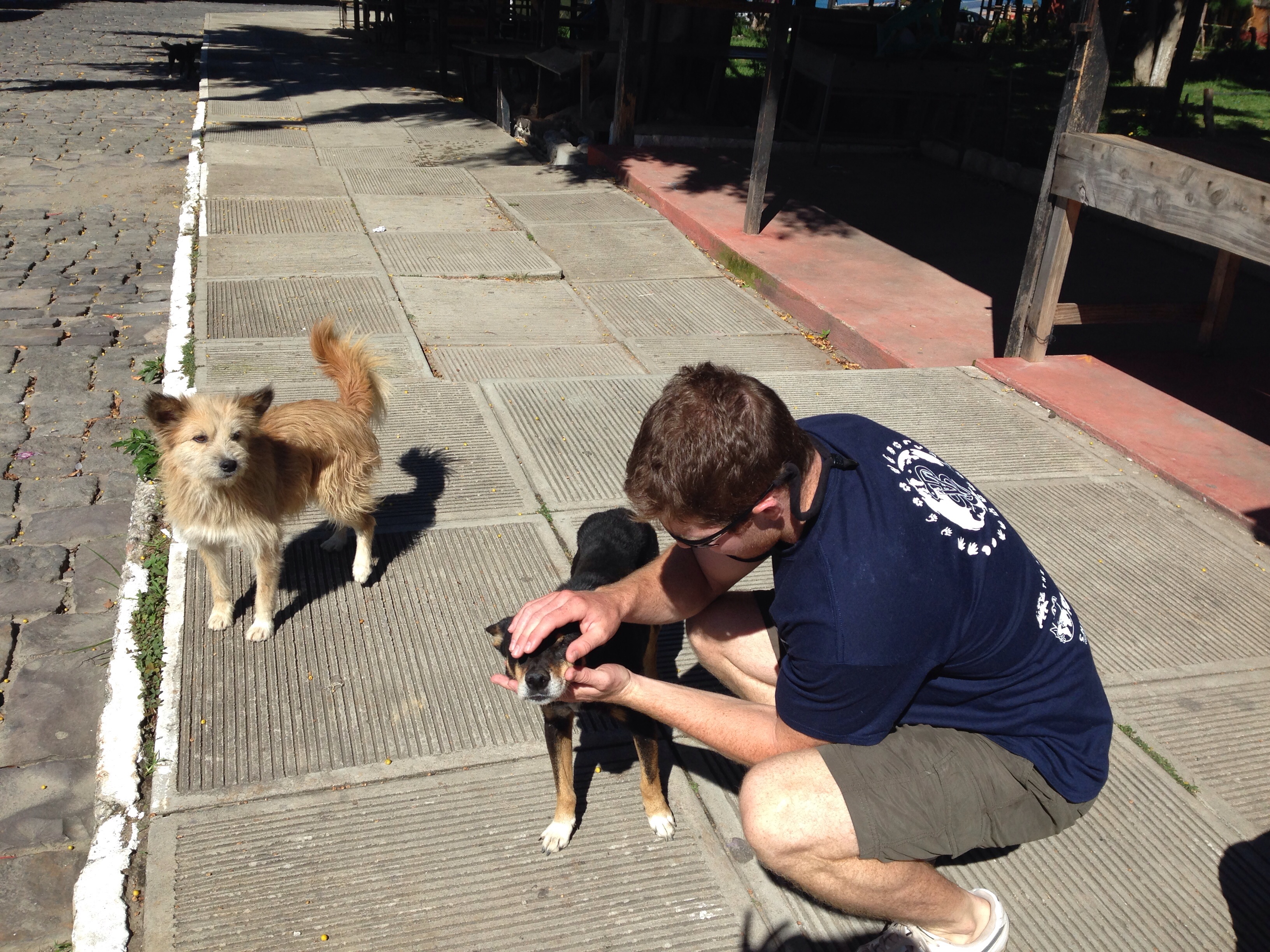
Panajachel was an entirely different experience from spay and neuter projects I am accustomed to. Instead of crews of volunteers catching street dogs and bringing them to your clinic for sterilization, Laura and I set out on foot every day making friends with the street dogs in order to bring them in ourselves. We were able to figure out which dogs were unsterilized by checking the females belly for a tattoo, which is a green paste applied to the surgical incision during the spay. Each female is tattooed to prevent a street dog from being operated on multiple times; since the surgery is internal, you aren’t able to tell if the females reproductive organs are present unless you look inside.
Males however are a little more obvious to tell……
After befriending the unsterilized animals, the real fun begins. We scoop them up in our arms, hop in a tuk tuk, hand the driver 5Q and ask him to take us to Selaines place. At her house, the dogs spend the night and will be sterilized the following day.
Think I’m exaggerating? Here:
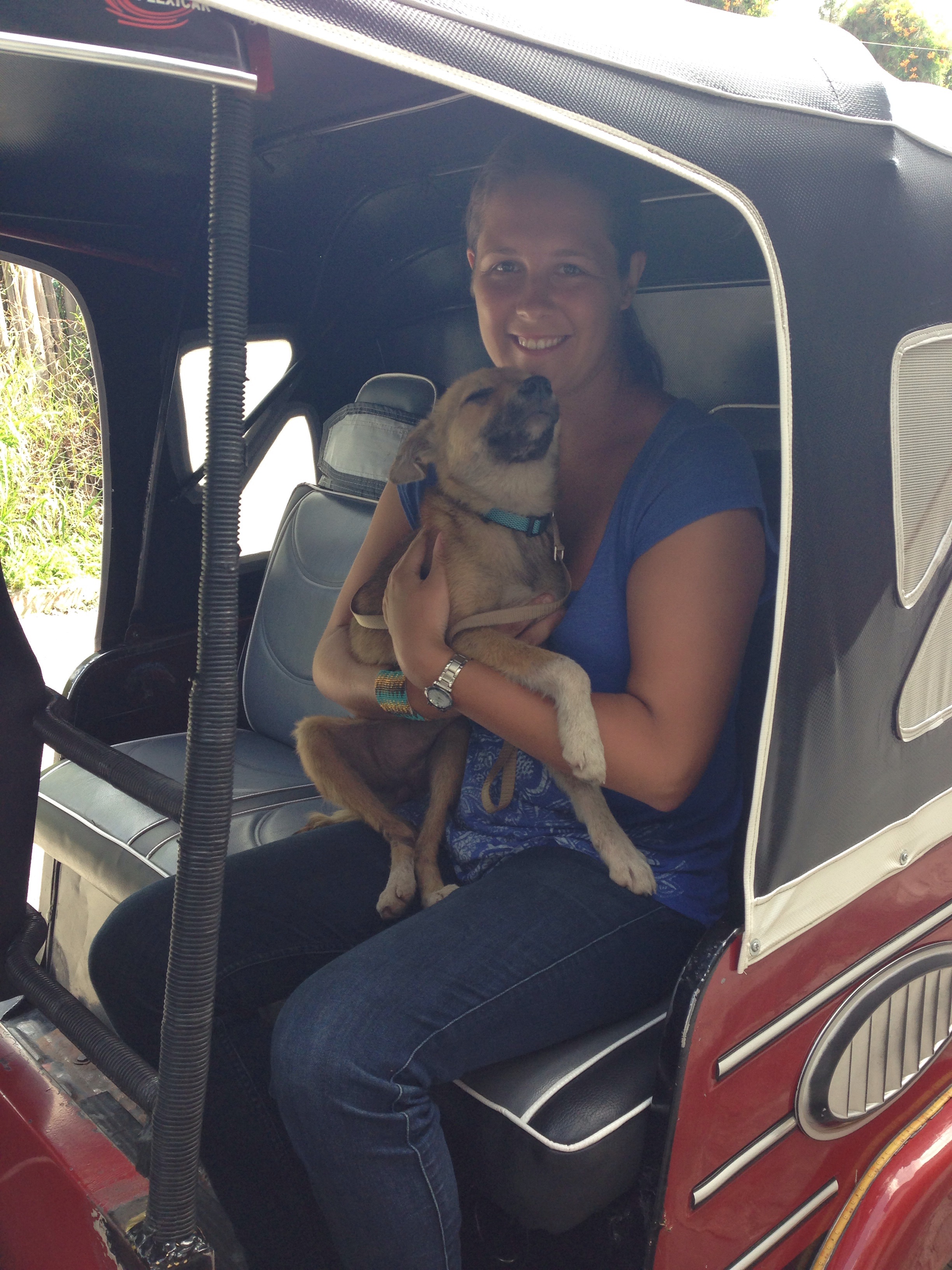
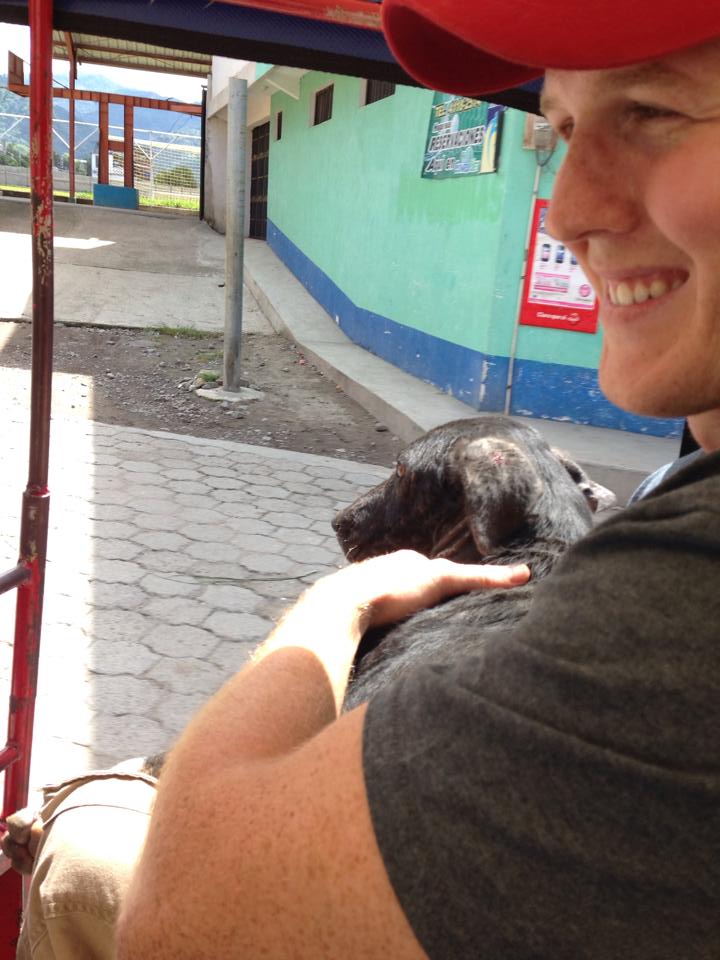
After we collect about 5 or 6 dogs, Selaine phones the local veterinarian Dr. Isael and sets up a time for us to drive the dogs over to his clinic for surgery. Laura and I were fortunate enough to work with Dr. Isael several times throughout our visit, helping him with spay and neuter clinics in San Macro, San Tiago, and So Lo La.
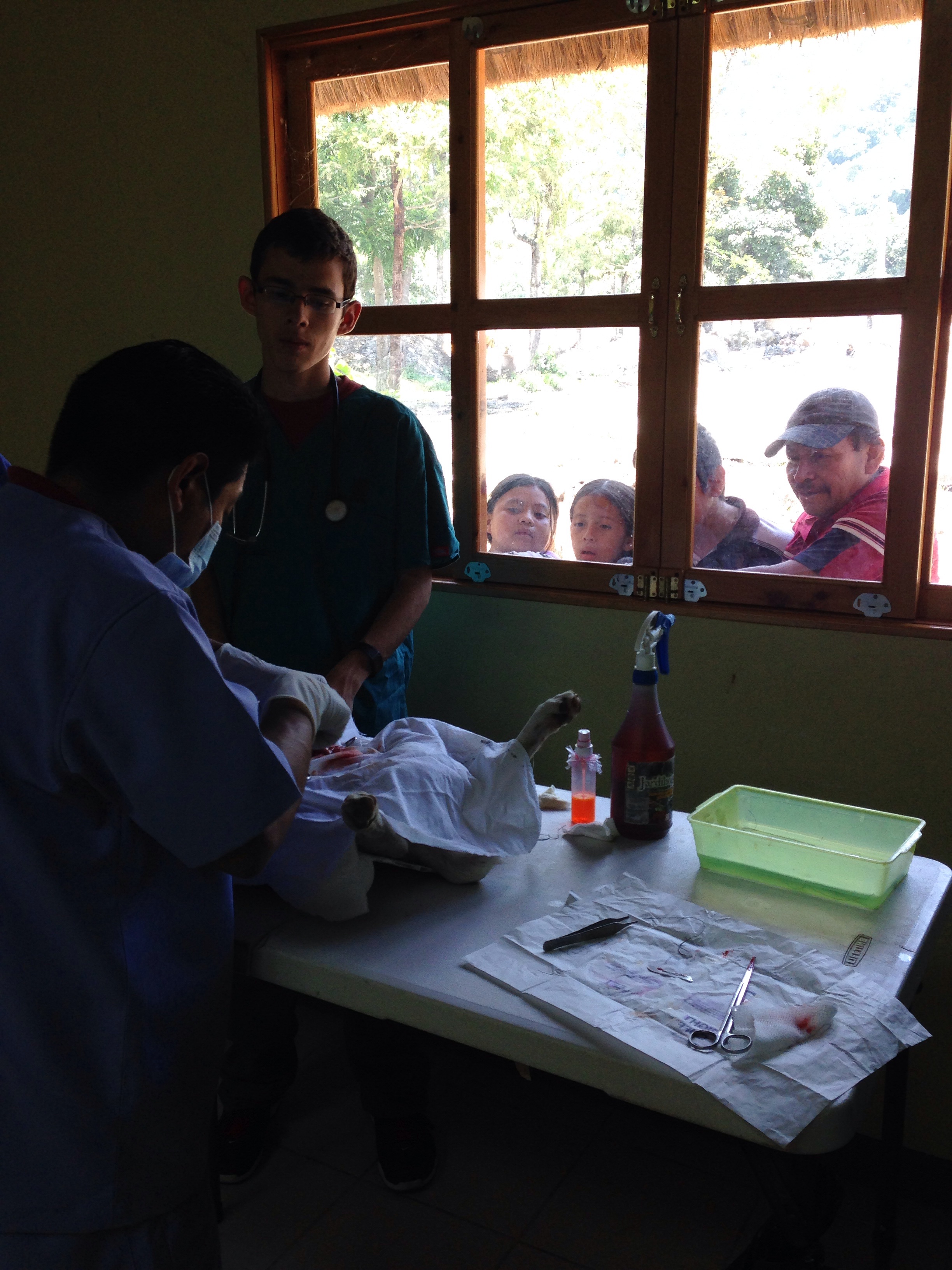
How is all of this funded? It just barely is, and AYUDA relies on donations and volunteers in order to maintain the program and continue to provide the animals with sterilization and wellness care. Locals who bring their pets in for sterilization are asked for a donation of 200Q (=29 dollars) and includes vaccines, sterilization, deworming and flea treatment. This shows the intense pressure on donations and volunteered time in order to keep such a low cost program functioning.
AYUDA website –> http://www.ayudagt.wordpress.com
Lots of info about the program and information on how to donate (and what your donation will provide an animal), if you are interested.
Since Panajchel has an excellent existing animal health program, we forced ourselves to think of additional ways we can help AYUDA during our stay in the country. We thought it would be a good use of our time if we were to construct posters outlining the benefits of sterilization, as well as parasite control and deworming. These posters will be taken from village to village with AYUDA and other community organizations in order to educate those interested and to promote awareness of animal health. My hope is this will allow Global Vets to help the human and animal population long after our visit to the country.

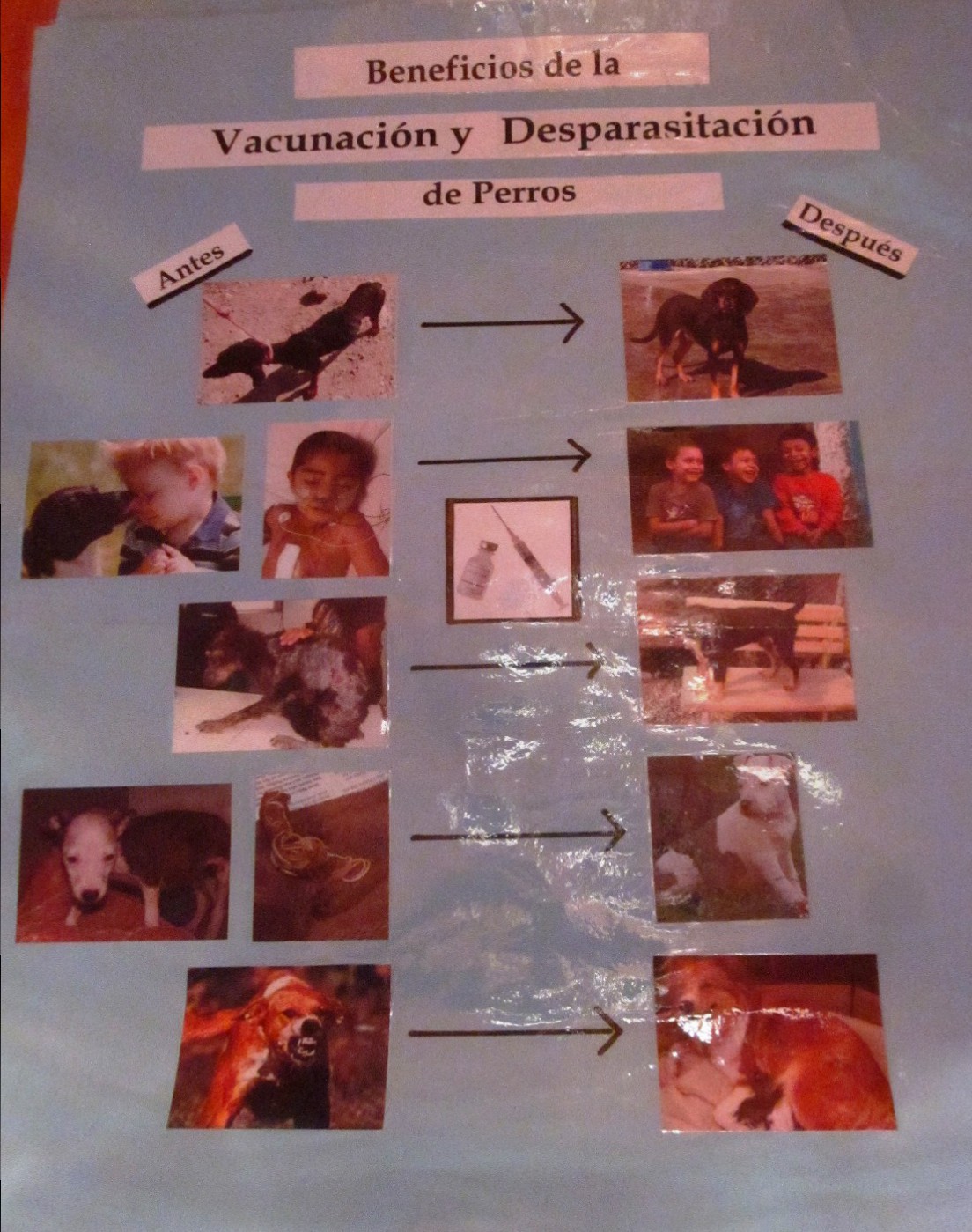
I have a plane to catch so I’ll end this post thanking Selaine and Dr. Isael for being so welcoming and allowing us the opportunity to learn about the animal populations in your country. We leave for Mexico City tonight, then immediately transfer to our connecting flight to Quito Ecuador getting in at 5:30am.
CanNOT Wait.
Thanks very much for reading,
Dan Katz and Laura Tindal Global Vets 2014
 globalvets.ca